Commercial truck tires are among the most valuable components of any transport fleet. They directly affect fuel efficiency, vehicle safety, ride quality, and operating costs. While modern radial truck tires are designed to deliver excellent mileage, many fleets experience premature tire wear long before the expected service life. In most cases, the problem is not the tire itself but the operating conditions and maintenance practices.
Premature tire wear increases replacement costs, reduces fuel economy, affects vehicle handling, and can even lead to unexpected breakdowns. Understanding the factors that cause excessive wear helps fleet owners and drivers improve tire life while reducing overall operating expenses.
Understanding Tire Wear
Tire wear is a natural process that occurs whenever a vehicle is in motion. As the tread comes into contact with the road surface, small amounts of rubber are gradually worn away. Under normal conditions, this wear happens evenly across the tire and allows it to achieve its expected lifespan.
Problems arise when wear becomes uneven or accelerates beyond normal levels. Identifying the cause early can prevent further damage and improve vehicle performance.
Incorrect Tire Inflation
Improper tire pressure is one of the most common reasons for premature tire wear. Both underinflation and overinflation negatively affect tire performance.
When a tire is underinflated, more of the tread comes into contact with the road, creating excessive friction and heat. This causes faster wear on the outer edges of the tire and increases rolling resistance, leading to higher fuel consumption.
Overinflated tires have a smaller contact patch with the road, causing the center of the tread to wear more quickly. Excessive pressure also reduces ride comfort and makes the tire more susceptible to impact damage.
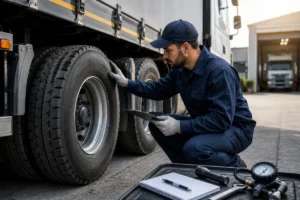
Regular pressure checks using a calibrated tire gauge are essential for maximizing tire life.
Wheel Misalignment
Proper wheel alignment ensures that every tire rolls in the correct direction and maintains full contact with the road surface.
When wheels are misaligned, tires begin to scrub against the road instead of rolling smoothly. This causes rapid and uneven tread wear, often appearing on one side of the tire.
Common signs of poor alignment include:
- Vehicle pulling to one side.
- Uneven tread wear.
- Off-center steering wheel.
- Reduced fuel efficiency.
Routine alignment inspections help prevent unnecessary tire replacement.
Improper Wheel Balancing
Wheel balancing ensures that the tire and wheel assembly rotates evenly at all speeds.
An unbalanced wheel creates vibrations that place additional stress on both the tire and suspension components. Over time, these vibrations cause irregular tread wear, commonly known as cupping or scalloping.
Balancing should always be performed whenever new tires are installed or when unusual vibration is noticed during driving.
Overloading the Vehicle
Every commercial tire is designed to carry a specific maximum load. Exceeding this capacity places excessive stress on the tire structure.
Overloaded tires generate more heat, wear faster, and become more susceptible to tread separation or structural failure. Continuous overloading also increases braking distance and negatively affects vehicle handling.
Fleet operators should always follow the manufacturer’s recommended load ratings and distribute cargo evenly across all axles.
Poor Driving Habits
Driver behavior has a significant impact on tire life.
Frequent hard braking, rapid acceleration, sharp cornering, and sudden lane changes place unnecessary stress on the tread. Aggressive driving increases friction and accelerates tire wear.
Smooth acceleration, gradual braking, and controlled steering not only improve safety but also extend tire service life.
Road Conditions
The surface on which a truck operates greatly influences tire wear.
Vehicles that frequently travel on rough roads, gravel, construction sites, or poorly maintained highways are exposed to higher levels of abrasion and impact damage.
Potholes, sharp stones, debris, and uneven road surfaces can damage both the tread and sidewalls, reducing overall tire life.
While road conditions cannot always be controlled, careful driving can minimize unnecessary damage.
Failure to Rotate Tires
Not all tires wear at the same rate. Steering tires, drive tires, and trailer tires perform different functions and therefore experience different wear patterns.
Regular tire rotation distributes wear more evenly across all positions, helping maximize the usable life of every tire.
A planned tire rotation schedule is especially beneficial for fleets covering long distances.
Suspension Problems
The suspension system helps maintain proper tire contact with the road.
Worn shock absorbers, damaged springs, loose bushings, or faulty suspension components can cause tires to bounce excessively or wear unevenly.
Regular inspection of the suspension system not only improves ride quality but also protects tire investment.
Improper Tire Selection
Choosing the wrong tire for the intended application often leads to faster wear.
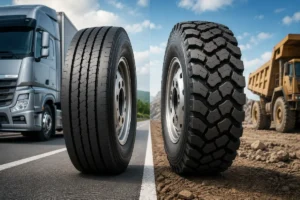
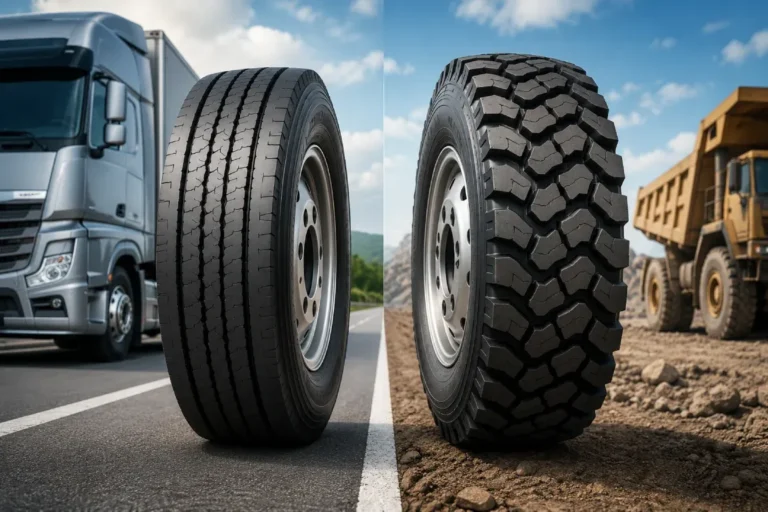
For example, a highway tire used in mining or construction environments will wear much faster than a tire specifically designed for off-road conditions.
Similarly, using an inappropriate tread pattern for regional transportation or long-haul operations may reduce both performance and tire life.
Selecting the correct tire based on operating conditions is essential for achieving maximum mileage.
Heat Build-Up
Excessive heat is one of the biggest enemies of tire durability.
High ambient temperatures, underinflation, overloading, high-speed driving, and poor maintenance all contribute to increased heat generation.
As internal temperatures rise, rubber compounds begin to degrade more quickly, increasing the risk of premature wear and tire failure.
Maintaining proper inflation pressure and avoiding overloads are effective ways to reduce heat build-up.
Ignoring Regular Inspections
Small tire problems often become expensive repairs when left unnoticed.
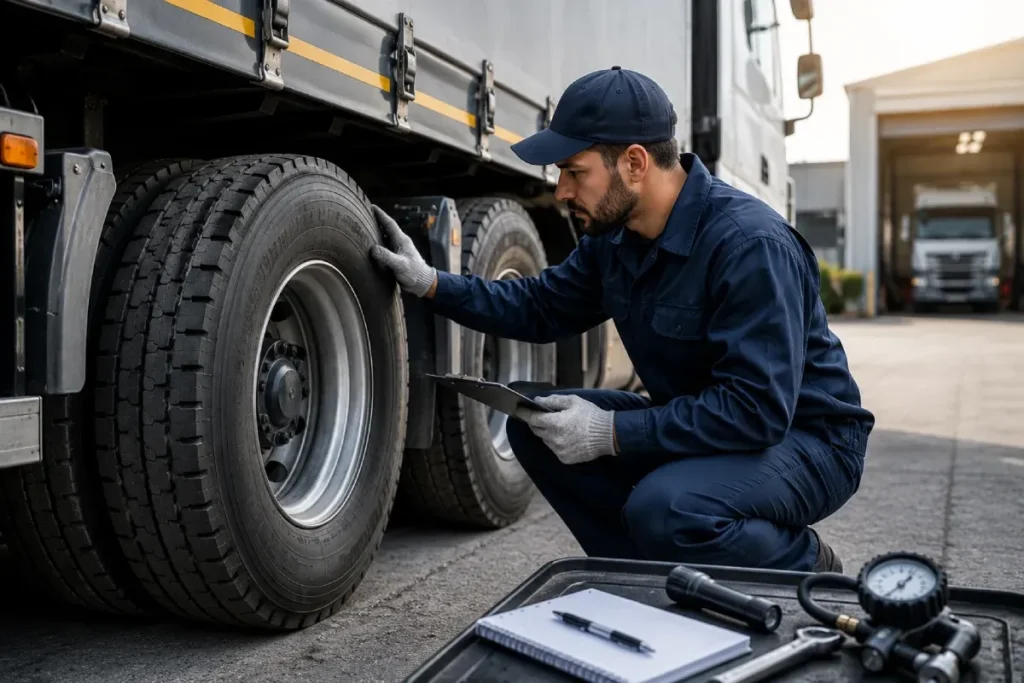
Routine inspections help identify issues such as:
- Uneven tread wear.
- Cuts and punctures.
- Sidewall damage.
- Embedded objects.
- Irregular wear patterns.
Early detection allows maintenance teams to correct problems before significant damage occurs.
Tips to Maximize Tire Life
Fleet operators can significantly increase tire lifespan by following a proactive maintenance program.
- Maintain recommended tire pressure.
- Inspect tires before every trip.
- Rotate tires at scheduled intervals.
- Perform regular wheel alignment.
- Balance wheels whenever required.
- Avoid overloading vehicles.
- Drive smoothly and avoid aggressive braking.
- Inspect suspension components regularly.
- Select tires suitable for the application.
- Replace worn tires before they become unsafe.
The Financial Impact of Proper Tire Maintenance
Well-maintained tires last longer, improve fuel efficiency, reduce downtime, and lower maintenance costs. For fleet operators managing dozens or hundreds of vehicles, even a small improvement in tire life can result in substantial annual savings.
Proper maintenance also reduces the risk of roadside failures, improves driver safety, and enhances overall fleet reliability.
Final Thoughts
Premature tire wear is rarely caused by a single factor. Instead, it is usually the result of improper inflation, poor maintenance, aggressive driving, incorrect tire selection, or excessive loading. Fortunately, most of these issues can be prevented through regular inspections and good maintenance practices.
By understanding the common causes of tire wear and implementing a preventive maintenance program, fleet owners can maximize tire performance, improve vehicle safety, and significantly reduce operating costs.
Investing time in tire maintenance today not only extends tire life but also contributes to more reliable transportation, improved fuel economy, and greater profitability for commercial fleet operations.