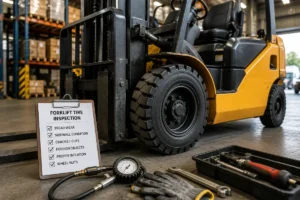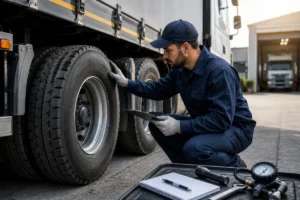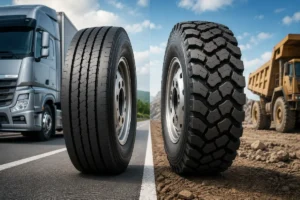
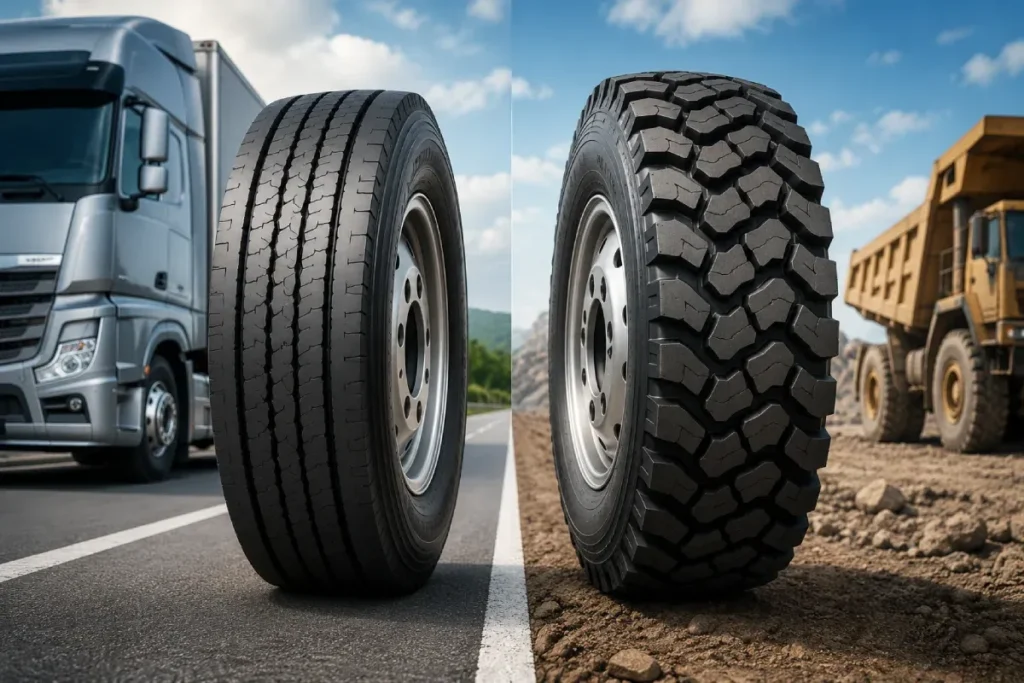
Tires are one of the most important components of any commercial vehicle. They not only support the weight of the vehicle but also influence fuel efficiency, ride comfort, safety, braking performance, and operating costs. Whether you manage a fleet of trucks, operate agricultural equipment, or purchase tires for industrial applications, understanding the difference between radial and bias tires can help you make a better investment.
Although both types of tires perform the same basic function, their internal construction is completely different. This difference affects everything from durability and traction to heat generation and maintenance requirements. In this guide, we’ll explain how radial and bias tires are made, where each type performs best, and the factors you should consider before making a purchase.
What Are Radial Tires?
A radial tire is constructed with reinforcing cords that run at a 90-degree angle from bead to bead. These cords are placed perpendicular to the direction of travel, creating a flexible sidewall while allowing the tread area to remain stable. Steel belts are then placed beneath the tread to strengthen the tire and improve durability.
This design allows the sidewall and tread to work independently. The flexible sidewall absorbs road shocks, while the reinforced tread maintains maximum contact with the road surface.
Today, radial tires are the preferred choice for most commercial trucks, passenger vehicles, buses, and many agricultural machines because they offer excellent performance and lower operating costs.
What Are Bias Tires?
Bias tires, also known as cross-ply tires, are built differently. Multiple layers of fabric cords are laid diagonally across the tire, with each layer crossing over the previous one at alternating angles. These overlapping plies form a single structure where the tread and sidewall work together.
Because of this construction, bias tires have stiffer sidewalls and a stronger overall structure. They are especially suitable for applications where vehicles frequently operate on rough terrain, uneven surfaces, or low-speed environments.
Although radial tires dominate modern transportation, bias tires continue to be used in specific agricultural, construction, mining, and off-road applications.
Understanding the Construction Difference
The primary distinction between radial and bias tires lies in how the reinforcing cords are arranged.
In a radial tire, the cords extend directly from one bead to the other at right angles. Steel belts placed beneath the tread provide additional strength while allowing the sidewalls to remain flexible.
In contrast, bias tires use several layers of cords placed diagonally. Because the layers overlap, the sidewalls and tread become interconnected, resulting in a stronger but less flexible structure.
This difference in construction directly affects how each tire performs under various operating conditions.
Ride Comfort
Radial tires provide a smoother ride because their flexible sidewalls absorb bumps and vibrations more effectively. Drivers operating commercial vehicles over long distances often experience less fatigue when using radial tires.
Bias tires have stiffer sidewalls, making the ride feel firmer. While this may reduce comfort on highways, it provides additional stability in rough working environments.
Fuel Efficiency
Fuel costs account for a significant portion of transportation expenses. One of the biggest advantages of radial tires is their lower rolling resistance.
Because the tread remains flatter against the road surface, radial tires require less energy to move the vehicle forward. This can improve fuel economy, especially for long-distance trucking operations where vehicles travel thousands of kilometers every month.
Bias tires generally have higher rolling resistance, resulting in slightly greater fuel consumption.
Tread Life
The tread of a radial tire wears more evenly because it maintains consistent contact with the road. Even wear extends the usable life of the tire and reduces replacement frequency.
Bias tires may experience faster or less uniform tread wear, particularly when operated at higher speeds or on paved roads for extended periods.
For fleet operators, longer tread life often translates into lower operating costs over the life of the vehicle.
Heat Generation
Heat is one of the leading causes of tire failure. Excessive heat accelerates rubber degradation and shortens tire life.
Radial tires generate less heat because the sidewalls flex independently from the tread. Lower operating temperatures improve durability during long highway journeys.
Bias tires generate more heat due to the movement between overlapping plies. This makes them better suited for shorter distances or lower-speed applications.
Load Carrying Capacity
Both radial and bias tires are capable of carrying heavy loads when selected according to the manufacturer’s specifications.
Radial tires distribute weight more evenly across the contact area, improving stability and reducing uneven wear.
Bias tires feature strong sidewalls that can better resist impacts from rocks, potholes, and rough terrain. This makes them popular for certain off-road applications.
Performance on Different Surfaces
Radial tires perform exceptionally well on highways, paved roads, and long-distance transport routes. They provide better traction, shorter braking distances, and improved handling at higher speeds.
Bias tires excel in environments where roads are unpaved or constantly changing. Construction sites, farms, mining operations, and forestry applications often benefit from the stronger sidewall construction of bias tires.
Maintenance Requirements
Proper maintenance is important regardless of tire type. Regular inspection, correct inflation pressure, wheel alignment, and timely rotation all contribute to longer tire life.
Radial tires generally require less maintenance because they wear more evenly and operate at lower temperatures.
Bias tires should be inspected more frequently when used on paved roads, as uneven wear can develop more quickly under highway conditions.
Cost Considerations
Radial tires usually have a higher purchase price than bias tires due to their advanced construction and steel belt reinforcement.
However, the initial investment is often offset by longer tread life, lower fuel consumption, improved durability, and reduced maintenance costs.
Bias tires are generally less expensive upfront, making them attractive for applications where vehicles operate at lower speeds or under demanding off-road conditions.
Applications of Radial Tires
Radial tires are commonly used in:
- Commercial trucks
- Long-haul transportation
- Regional logistics
- Passenger vehicles
- Buses
- Modern agricultural equipment
- Highway transportation fleets
Applications of Bias Tires
Bias tires are frequently used in:
- Construction equipment
- Mining vehicles
- Industrial machinery
- Forestry equipment
- Certain agricultural machinery
- Low-speed utility vehicles
- Off-road applications
Which Tire Should You Choose?
The right choice depends on how and where your vehicles operate.
If your business involves long-distance transportation, commercial trucking, highway logistics, or fleet management, radial tires are generally the better option. Their superior mileage, fuel efficiency, ride comfort, and longer service life make them the preferred choice for modern transportation.
If your equipment regularly operates on rough terrain, construction sites, mines, or agricultural fields where sidewall durability is critical, bias tires may offer better resistance to impacts and harsh working conditions.
Instead of focusing only on purchase price, businesses should evaluate the total cost of ownership. Factors such as fuel savings, maintenance expenses, replacement intervals, downtime, and productivity often have a much greater financial impact than the initial tire cost.
Final Thoughts
Both radial and bias tires have distinct advantages, and neither is universally better than the other. The ideal choice depends on the application, operating environment, load requirements, travel distance, and maintenance practices.
For most modern commercial transportation applications, radial tires have become the industry standard because they deliver excellent fuel efficiency, longer tread life, improved handling, and lower operating costs. Bias tires continue to play an important role in industries where strength, durability, and resistance to rough terrain are the primary priorities.
Understanding the differences between these two tire constructions allows fleet managers, distributors, and business owners to make informed purchasing decisions that improve safety, maximize equipment performance, and reduce long-term operating expenses.
Whether you are sourcing tires for transportation, industrial operations, or agricultural applications, selecting the right tire for the right job is one of the most effective ways to improve efficiency and maximize return on investment.